The beauty of what we cannot name
There exist emotions that do not come with words.
They lie motionlessly in the body, heavy in the chest, they are in the throat, they hang about the interspersions between thoughts. You know them but you can not describe them. Not fully. Not correctly. Not in any complete sense.
We are taught to define everything. To name the feelings, to classify our experiences, to explain ourselves by means of words. But what does one do when something does not have a definition?
When you experience something inside, and yet you do not know what it is?
This is where beauty begins. Not in the visible. Not in the perfected. But in the unspoken.
When one experiences emotional overload, the body speaks sooner than the mind can react. Anxiety becomes tension. Sadness becomes stillness. Nostalgia is a subdued regret of something we can barely recall or may never have experienced at all.
This space is strangely comfortable. A place before language. Before explanation. Before expectation.
In this magazine, Allure is dealing with beauty as experience, rather than looks. As sensation. As memory.
The fact that, at times, the most effective types of beauty are the ones that cannot be perceived, yet experienced.
Scent, as an instance, is unpermissive. It does not hold back until it comprehends. It goes straight to memory, unleashing emotions that we had forgotten existed. A scent can make us go back in time, back to someone, a different version of ourselves that we believed was gone.
It is immediate. Invisible. Intimate.
Like emotion.
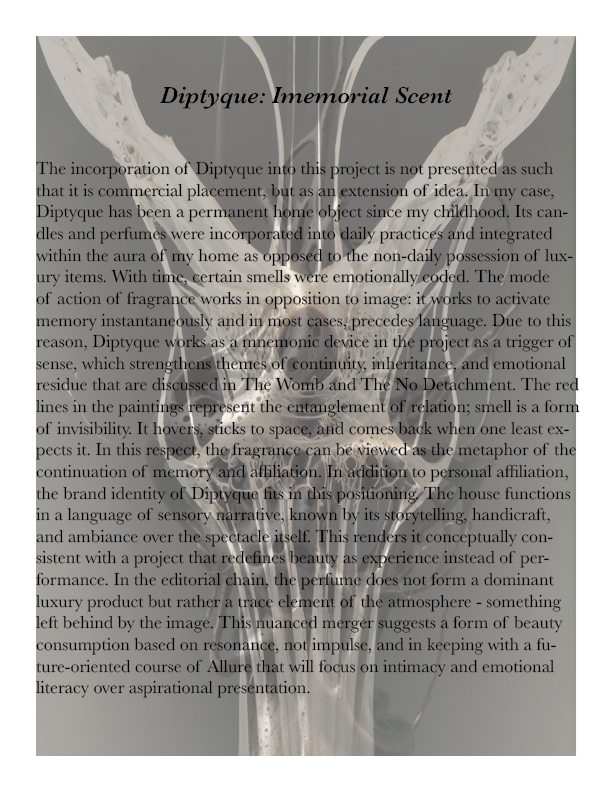
Diptyque occupies this space, but not as a luxury object, but as a sensual language. One method of not forgetting without having to elaborate. A method of experiencing without having to explain.
And there is something quietly radical about feeling when in a culture where we are all the time asked to present, perform, and perfect ourselves.
Without translating it.
Without fixing it.
And not to make it something to eat.
Mental health is commonly put in terms of solutions: how to become better, how to improve, how to heal, how. Recognition is as well worthwhile. In sitting with what is there. In recognizing that all things do not have to be resolved in order to be valid.
This is sometimes learned with hindsight.
It is sometimes never there at all.
And yet it is what you experience.
It is not a question of idealizing pain. It is concerning the possibility of permitting complexity. For contradiction. Of feelings that have no definite lines and names.
Since you have no need to have the right words to defend your experience.
You only need to feel it.
And perhaps, somewhere there, just there, at the edge of language, at the edge of clarity and resolution, there is another type of beauty.
One that is quieter.
One that is more honest.
One to which you are absolutely entitled.
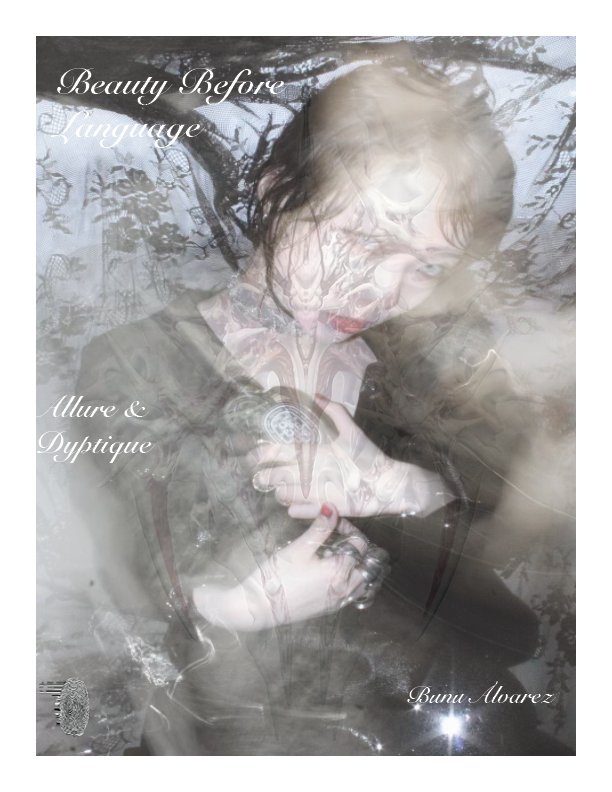
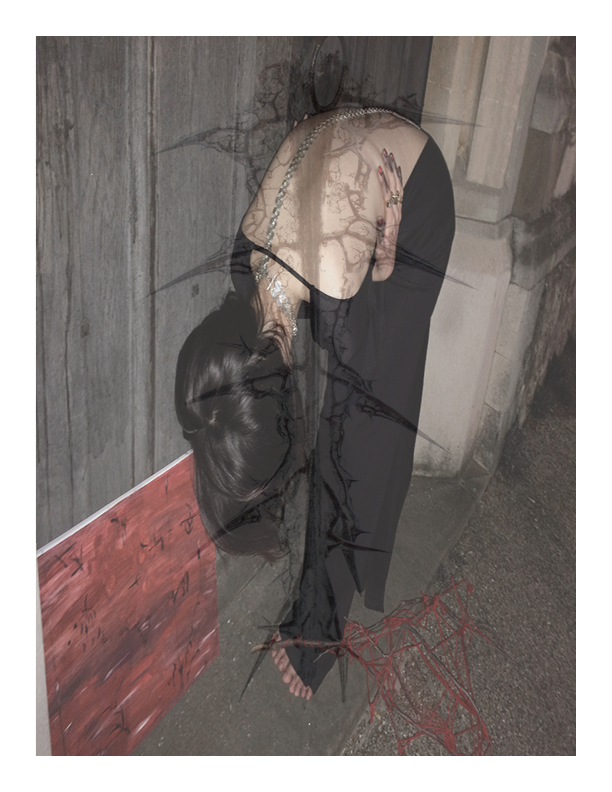
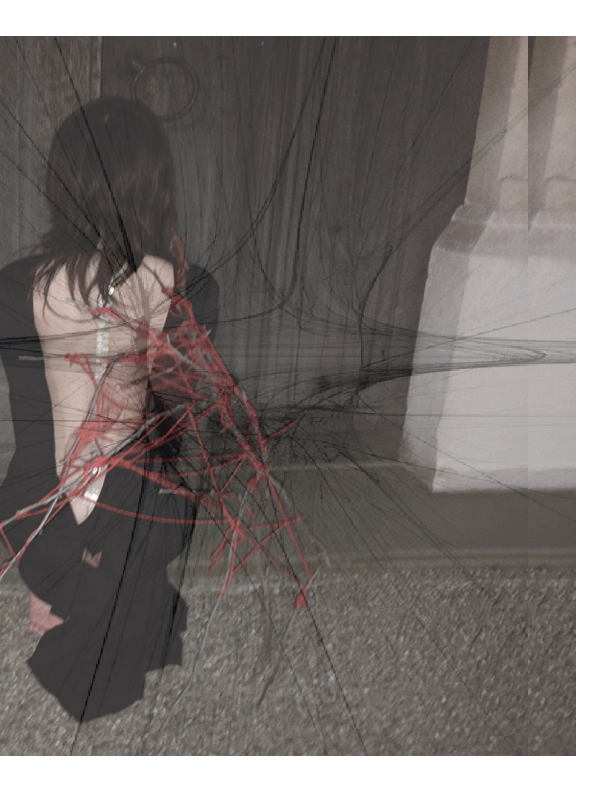
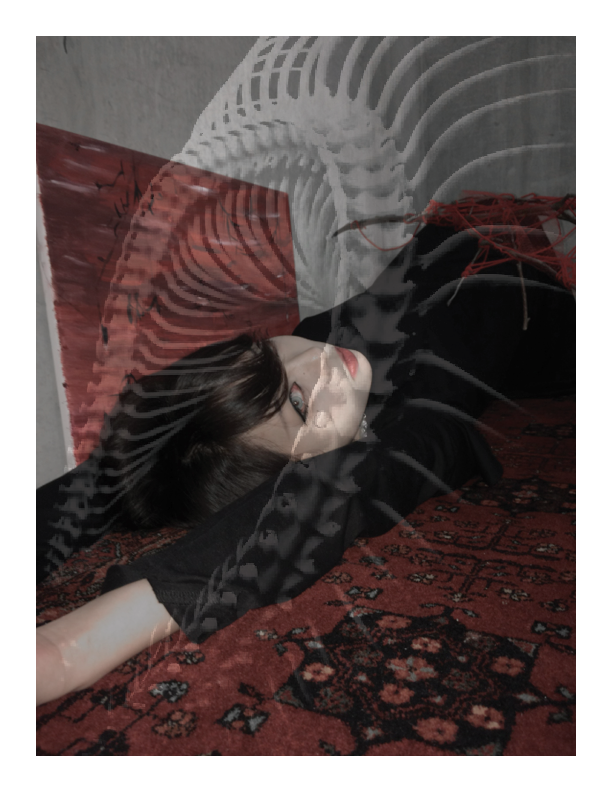
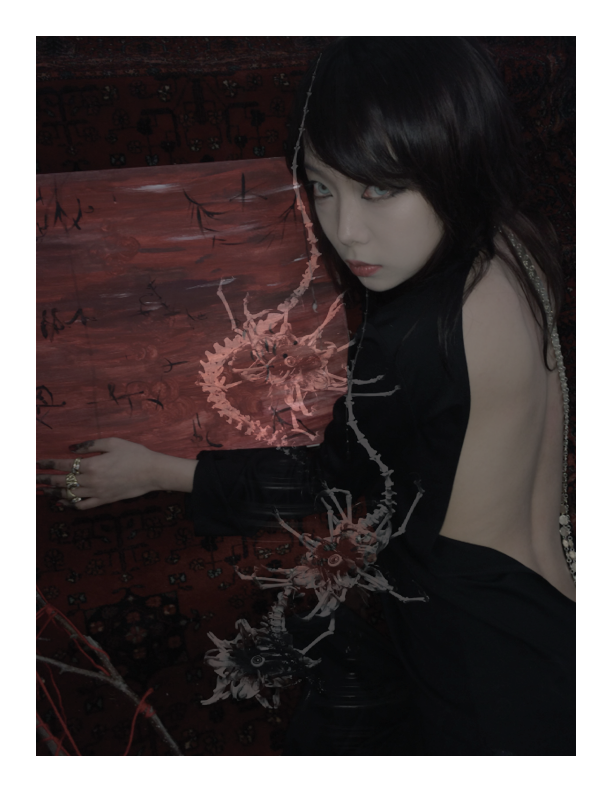
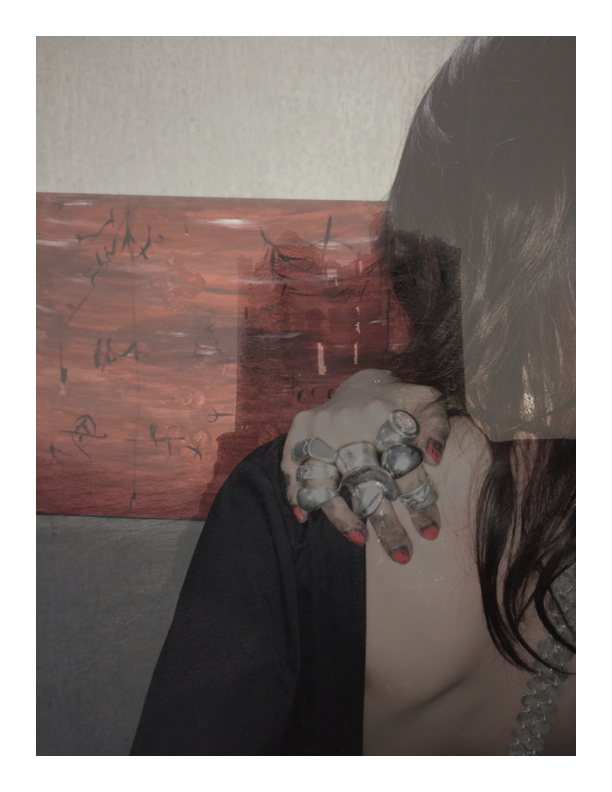
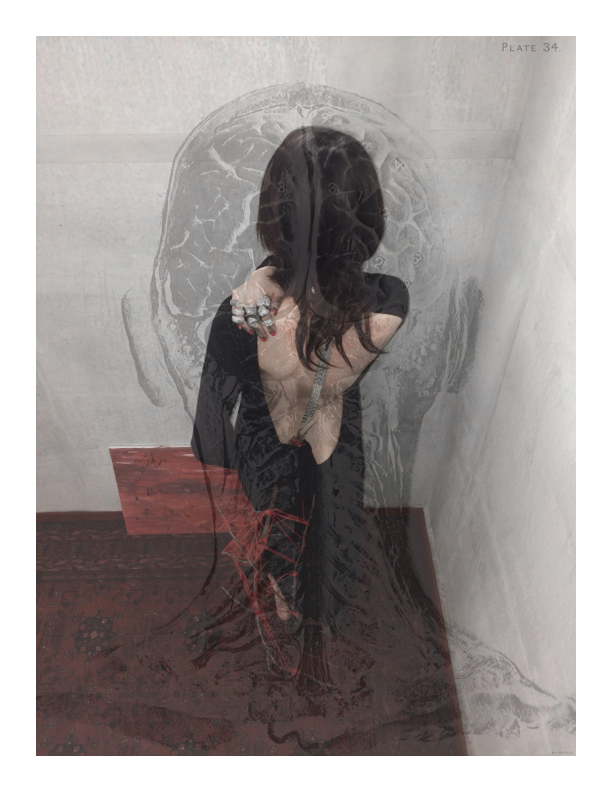
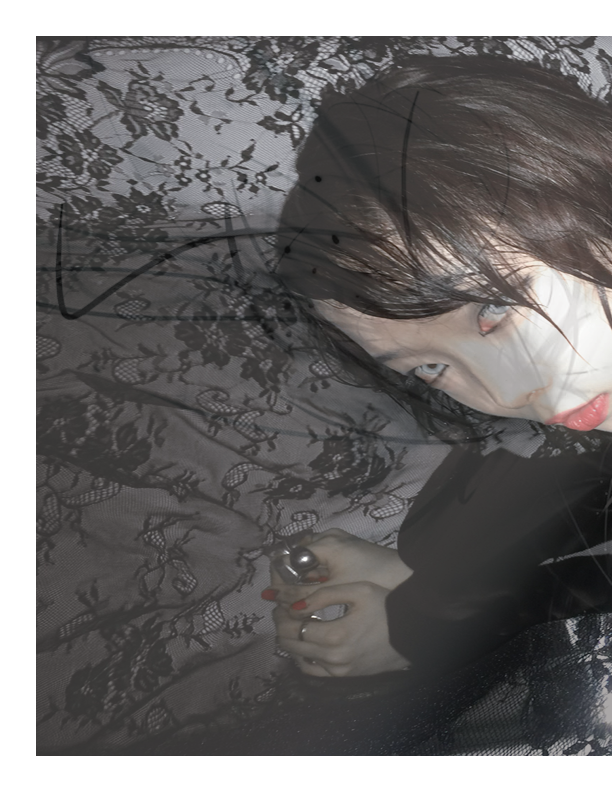
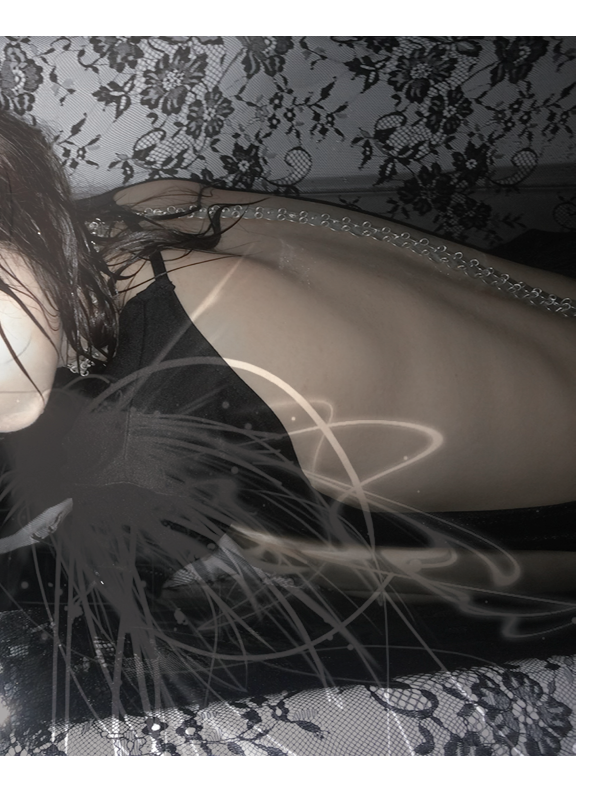
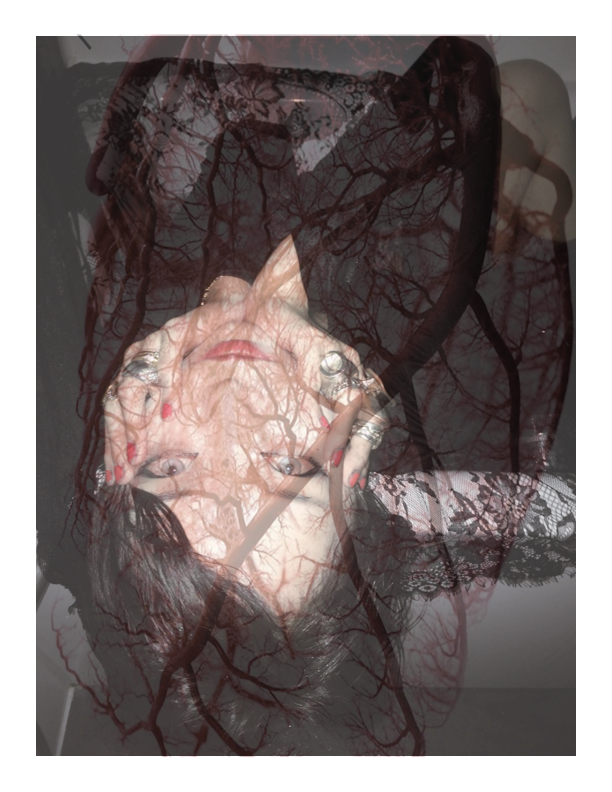
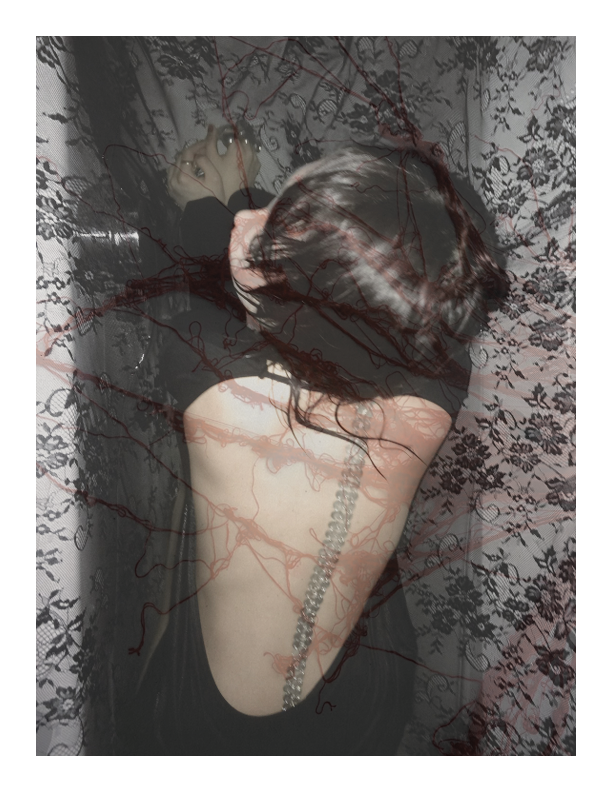
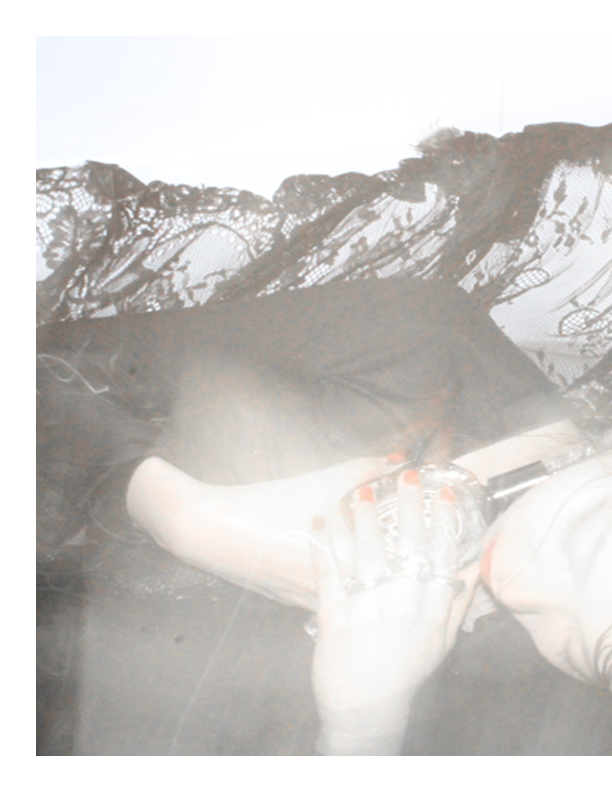
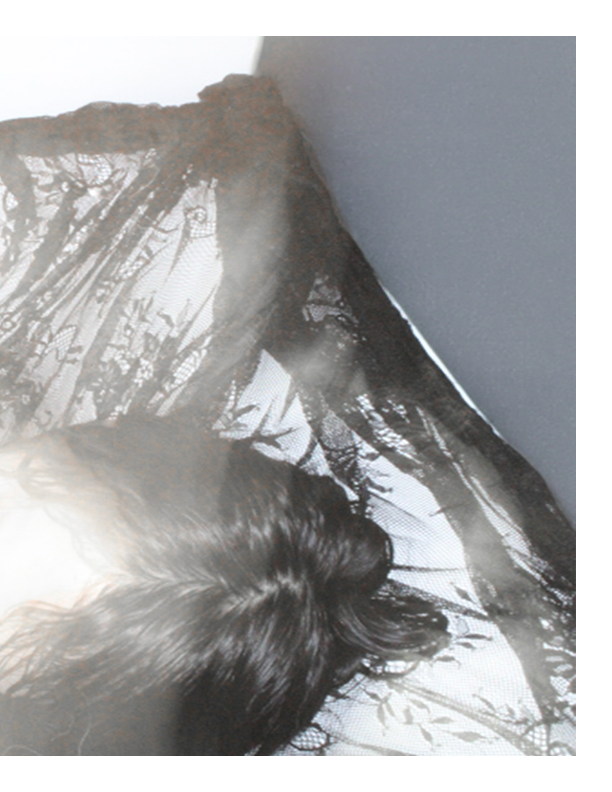
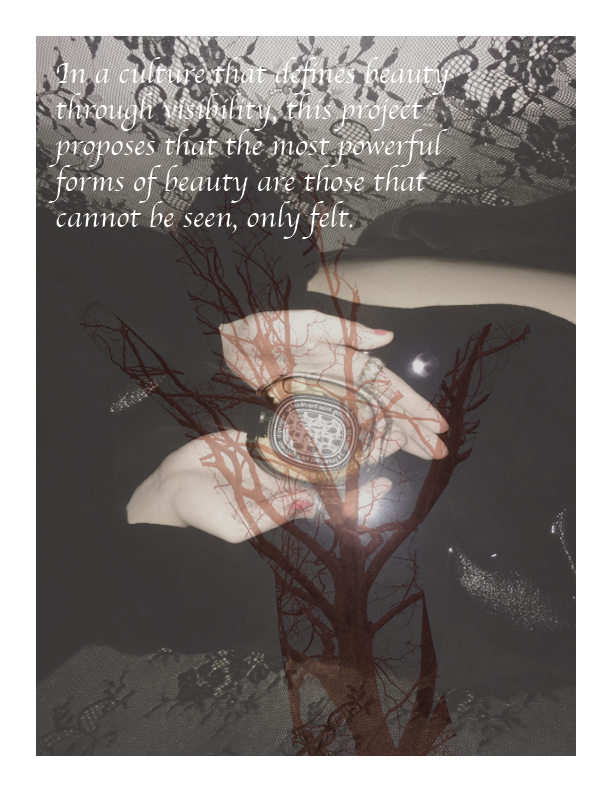
Beauty before language
Credits
Model: Happy phone
Creative director, videographer, stylist: Bunu Álvarez
Sculpture by Happy Phone
Photographer: Malissa Buratti
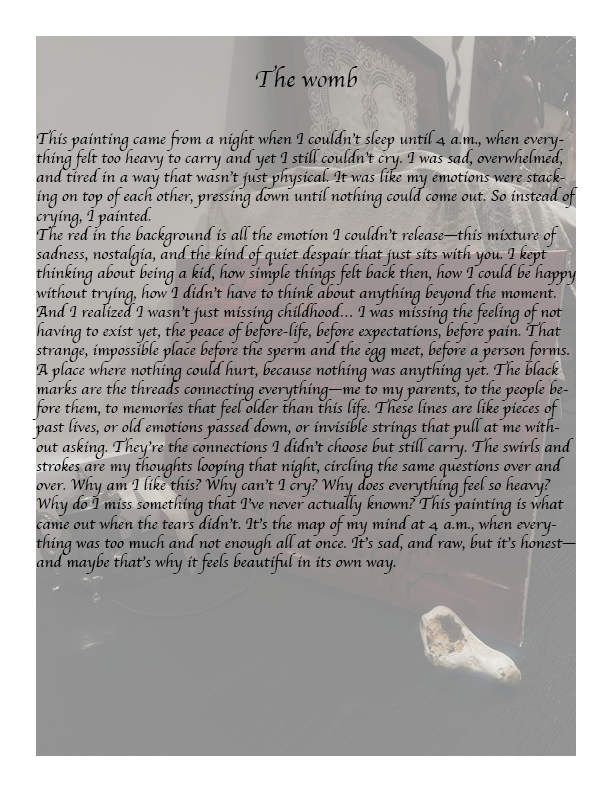
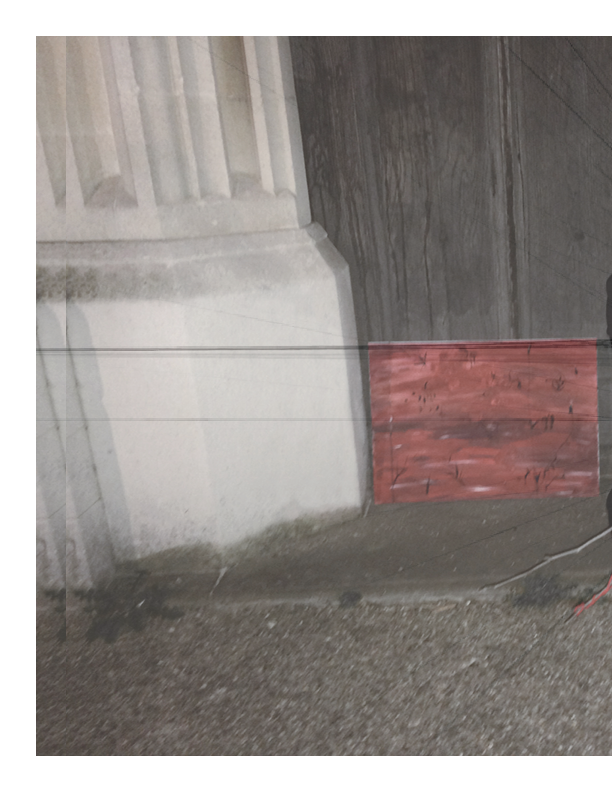
Painting by Bunu Álvarez